
Power Policy: NC Energy Policy Task Force Interim Report
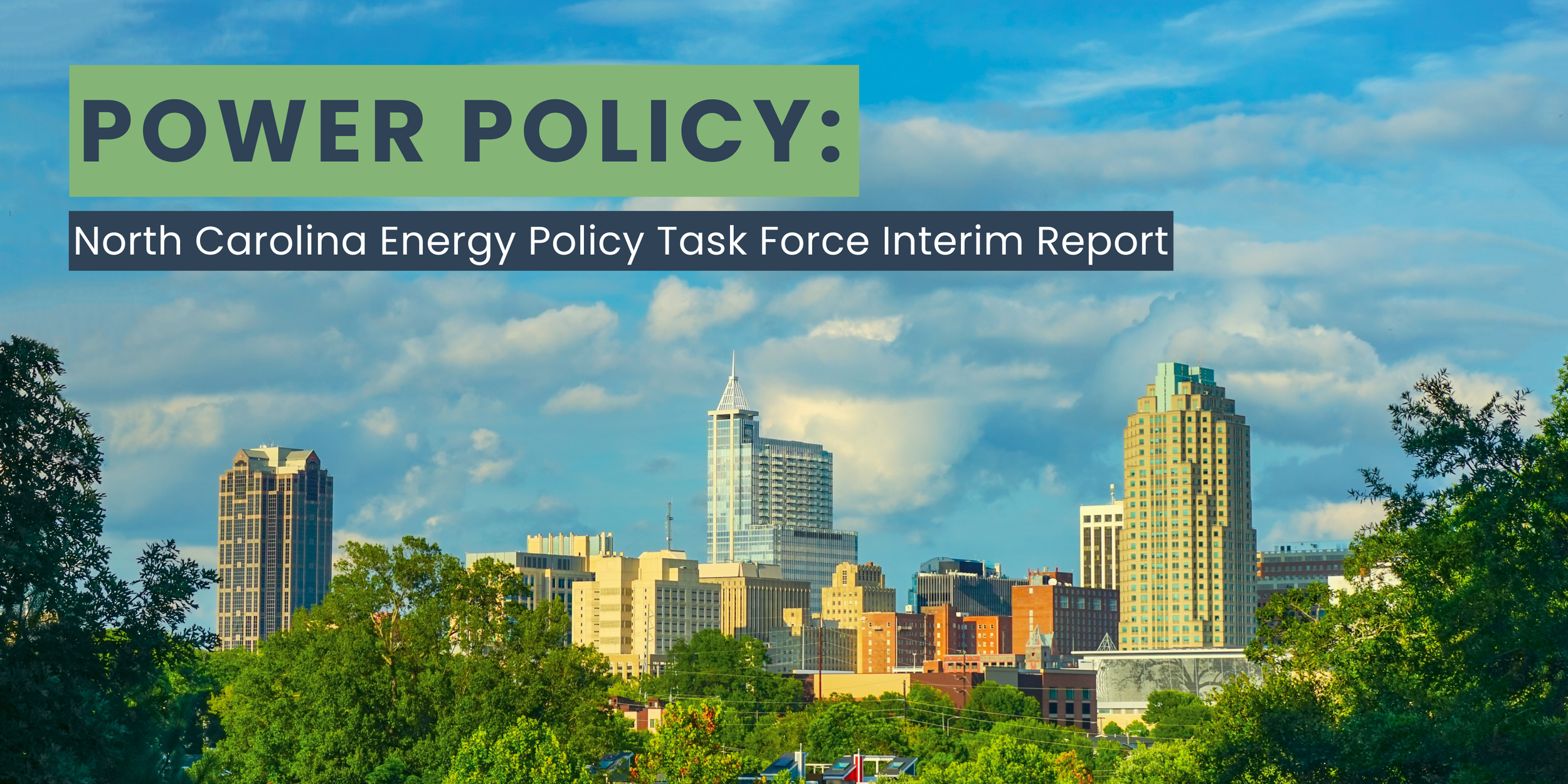
Skyline of the state’s capitol city, Raleigh, NC.
On February 16, 2026, Governor Josh Stein’s Energy Policy Task Force released an interim report that confirms what many North Carolinians have feared:a massive surge in energy demand is coming to our state, and it could leave residential families footing the bill.
While many homeowners were left without electricity for hours or days, those with solar and battery storage systems experienced a very different storm. Here is why solar and storage are becoming the ultimate necessity to endure winter storms for North Carolina homeowners.
The AI Surge: Who is Paying for the New Grid?
According to Duke Energy’s latest forecasts, total demand across the Carolinas is expected to increase between 16% and 60% through 2040.
To put that in perspective, for the 20 years between 2005 and 2025, demand in NC grew by only 7%. We are now facing nearly eight times that growth rate in the next 20 years.
Where is all that power going?
80% of new energy demand is projected to come from "large-load" customers, primarily AI data centers and advanced manufacturing.
These facilities require massive infrastructure upgrades, including new power plants and high-voltage transmission lines.
The Task Force expressed a major concern: if state policy doesn’t change, everyday residential families could end up "unfairly subsidizing" these massive projects through their monthly bills.
The $20–$30 Monthly Increase
While the data centers are moving in, Duke Energy is seeking double-digit rate hikes for 2027 and 2028. The proposal would increase average residential rates by roughly 15.8% for Duke Energy Carolinas and 18.5% for Duke Energy Progress customers. For the typical household, this translates to an extra $20 to $30 every single month. These hikes are intended to fund grid improvements and new power plants to meet the state's surging industrial demand.
Bring Your Own Capacity
The Governor’s report mentions a strategic concept: "Bring Your Own Capacity" (BYOC). While they are suggesting this for large industrial users, it is a similar strategy EnerWealth helps Triangle homeowners implement every day.
When you install a solar + storage system, you are essentially building your own personal power plant. You are no longer just a customer subjected to the grid’s rising costs; you are an independent producer.
Skip the Data Center Tax: By generating your own power, you insulate your family from the rate hikes needed to fund massive industrial expansions.
Beat Time-of-Use Rates: Duke’s new rate structures mean electricity is most expensive when demand is highest. A battery allows you to store your solar energy during the day and use it during those high-cost evening hours.
Support the Grid: The report explicitly recommends exploring residential incentives for storage to help reduce overall grid demand during peak hours, making the system more resilient for everyone.
Lock in Your Rates: While Duke Energy projects bills could rise significantly over the next 15 years, a solar lease allows you to lock in a predictable payment for the next 20-25 years.
Support Your Neighbors: Excess power you generate and export throughout the day will feed into your local grid, helping power your neighbors' homes and lower your energy bill.
Protect Your Wallet and Power Your Home
The news from February 2026 is clear; the grid is changing, and the cost of that change could be passed down to the average NC customer.
At EnerWealth, our zero-down solar and battery leasing options are designed to give North Carolina families a shield against these skyrocketing rates.
Don’t wait for the 2027 rate hikes to take effect. Learn more about solar and battery leasing with Enerwealth and protect your home’s budget for decades to come.
Cited Sources
Governor Stein’s Energy Policy Task Force Releases Interim Report, NC Governor’s Press Office
Duke Energy seeks double-digit rate increases - Asheville's 828 News NOW
North Carolina regulators release public hearing schedule for Duke Energy rate hikes - WFAE
Task force report finds data centers threaten energy affordability - Daily Tar Heel
